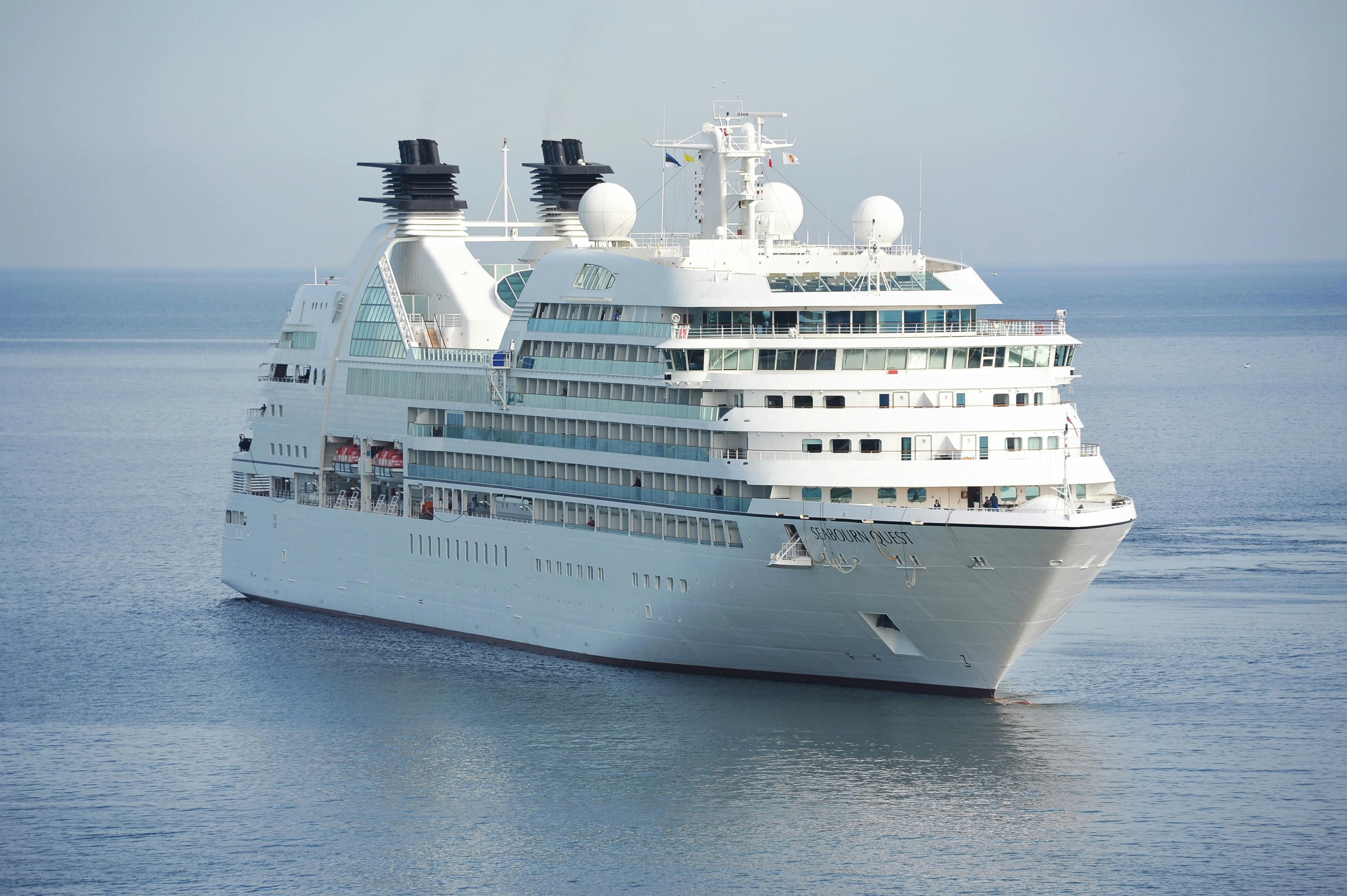
Deep under the ice of the Antarctic sea, a wooden ship sits on the mud. It looks like it sank yesterday, standing straight up in the dark water with its name painted clear on the back. That ship is the SS Baychimo, a ghost freighter that spent thirty-eight years floating around the frozen north with no one on board.
Most ships that sink break into pieces or fall over on their sides. The Baychimo did something much stranger. It got trapped in packed ice, escaped its crew, and became one of the most famous ghost ships in history before settling down deep in the cold water.
How the SS Baychimo Got Trapped in the Arctic Ice
The story starts in 1914 in Sweden, where workers built the heavy steel ship. A German company used it first, but after World War I, Great Britain took the boat as part of war payments. The Hudson's Bay Company bought it, named it the SS Baychimo, and sent it north to Canada.
Every summer, the ship had one big job. It traded with native villages along the cold coast of northern Canada and Alaska. The crew brought sugar, tea, tools, and needles to remote outposts. On the way back, they loaded the hold with thousands of valuable beaver and fox furs.
In July 1931, the Baychimo set out from Vancouver with thirty-six men on board. Captain John Cornwell knew the northern route well, but the weather turned bad very fast that year. Winter arrived in late September, long before anyone expected it. Cold winds pushed heavy ocean ice straight toward the coast, right into the path of the ship.
By October 1, the Baychimo could not move at all. Huge blocks of blue ice squeezed the ship on all sides, locking the hull in a frozen vise near the tiny town of Barrow, Alaska. The crew had no choice. They had to wait on the ice and hope the wind would shift.

The Day the Ghost Ship Slipped Away into the Fog
The ocean ice did not break apart. Instead, it crushed closer. The metal plates of the ship groaned, and the wooden decks twisted under the pressure. Captain Cornwell told his men to leave the ship because he thought it would break into pieces at any minute.
The crew walked half a mile across the creaking ice to reach the shore. They built a simple shelter out of wooden crates and heavy canvas. For almost two weeks, they stayed in that cold shack, listening to the wind roar across the tundra. You can learn about how people stay alive in extreme cold by reading about Survival skills in wild places.
On November 24, a massive blizzard struck the camp. The wind blew snow so thick that the men could not see three feet in front of their faces. Temperatures dropped way below zero. The storm raged for three full days without stopping.
When the air cleared on November 27, the men walked out of their shelter to check on their ship. They looked out at the frozen sea, but the Baychimo was gone. The sea ice had torn open, and the empty ship had vanished into the grey morning mist. Captain Cornwell figured the vessel had broken open and gone straight to the bottom of the icy water.
Thirty-Eight Years of Spotting a Ship with No Crew
The Baychimo was not at the bottom of the sea. Just a few days later, an Inuit hunter walked into the camp with wild news. He had spotted the ship floating forty miles to the north, completely intact and drifting with the pack ice.
Captain Cornwell grabbed his crew and tracked the ship down. They used small boats to reach the drifting hull. The ship was damaged, but it was still floating fine. Cornwell decided the hull was too weak for a long voyage back to civilization, so the crew unloaded the most expensive furs into small planes. Then they left the ship behind forever.
That was not the end of the Baychimo. For the next thirty-eight years, the ghost ship traveled thousands of miles across the Arctic Ocean completely on its own. People living in remote Alaskan villages saw the grey ship appear out of the fog, float past their beaches, and disappear into the ice again.
Dozens of brave sailors and hunters climbed aboard the wandering ship over the years. Some wanted to steal the cargo left inside, while others just wanted to steer it back to land. In 1933, a group of twenty native traders got trapped on board when a sudden storm locked the ship in ice for ten whole days. They almost starved before the ice broke apart and let them escape.
In 1939, another captain boarded the ship and tried to tow it to shore, but huge ice fields blocked his path. The Baychimo always seemed to slip away just before anyone could bring it back to a real harbor. It lived a double life, trapped in frozen packs during the dark winter months and floating free during the short summer thaws.
Finding Ships Frozen in Time on the Sea Floor
The last person to ever see the SS Baychimo alive was a group of Inuit hunters in 1969. They found the ship stuck in a giant ice pack in the Chukchi Sea, near the coast of Alaska. After that cold afternoon, the ship vanished for good, and no one saw it float again.
For decades, people wondered what happened to the famous ghost ship. Did it finally snap in half under the crushing ice? Did the steel plates rust through and let the ocean water fill the engine room?
Many wooden and steel ships that sink in deep ocean waters end up resting in surprisingly good shape. Cold water acts like a natural freezer, stopping wood from rotting and keeping steel from rusting quickly. Ocean explorers have found lost ships standing straight up on the ocean floor, looking just like they did on the day they left the dock.
If you love reading about lost vessels found frozen in time under the sea, you can read about The Town That Was Buried and Found Again to see how old places stay preserved. Deep water has a way of hiding lost history for generations until someone drops a camera into the dark.
The cold Arctic water lacks the tiny worms that usually eat wooden ship hulls in warm oceans. Because of this, a ship that sinks in icy seas can sit intact on the seabed for hundreds of years. The mud at the bottom holds the heavy keel tight, keeping the whole ship standing upright in the quiet water.
Why Ghost Ships Matter to People Today
The story of the Baychimo is more than just a tale about an old metal boat. It is a story about how powerful the ocean really is, and how small human beings feel when winter sets in. If you enjoy listening to real accounts passed down through time, check out how people preserve an Oral history from eyewitnesses who saw strange events firsthand.
The Alaskan government even set up a special project to search for the wreck of the Baychimo. They used modern sonar gear and remote underwater cameras to scan miles of the muddy ocean floor near Barrow. They wanted to solve the mystery that had lasted for almost a century.
When searchers look for long-lost ships on the ocean floor, they often expect to see broken timber scattered across the sand. Instead, sonar scans frequently reveal the outline of a full ship, with its masts pointing straight up toward the surface light. To read more amazing accounts of real events, take a look at our collection of unbelievable real life survival stories that show what happens when nature takes over.
Scientists believe the Baychimo finally sank when its hull plates rusted through, dropping straight down through deep water to rest on the sea bottom. It sits down there in the dark right now, upright on its keel, holding its secret cargo in the quiet ocean mud. Would you ever want to dive down into the black water to stand on the deck of a real ghost ship?
Comments
Post a Comment